
As per Malaysian Laws, employees are entitled to encompass different types of leaves such as annual leave, sick leave, maternity leave and some special leaves like hospitalization leave, compassionate leave, childcare leave, and birthday leave.
Under Section 60F of the Employment Act 1955 (amended in 2022), key changes were brought, including the separation of sick leave from hospitalization leave. This article would give you a clear understanding of what is and isn’t a part of this kind of leave.
What is Hospitalization Leave?
Imagine you suddenly fall sick or unexpectedly meet with an accident and you must be admitted to the hospital. Your foremost worry would not be your health, but about your job, leave, and salary. Malaysian law has put an end to such worries by implementing hospitalization leave.
This leave is a type of leave entitled to the all the professionals working in Malaysia (except domestic servants), which came into effect from January 1, 2023. This leave is applicable to be availed by employees who are:
- admitted to the hospital
- or are certified by a qualified doctor to be needing hospital treatment.
Read also: Annual Leave Malaysia 2026: Rules, Forecasts & HR Practices
How Many Days Can Hospitalization Leave Be Availed For?
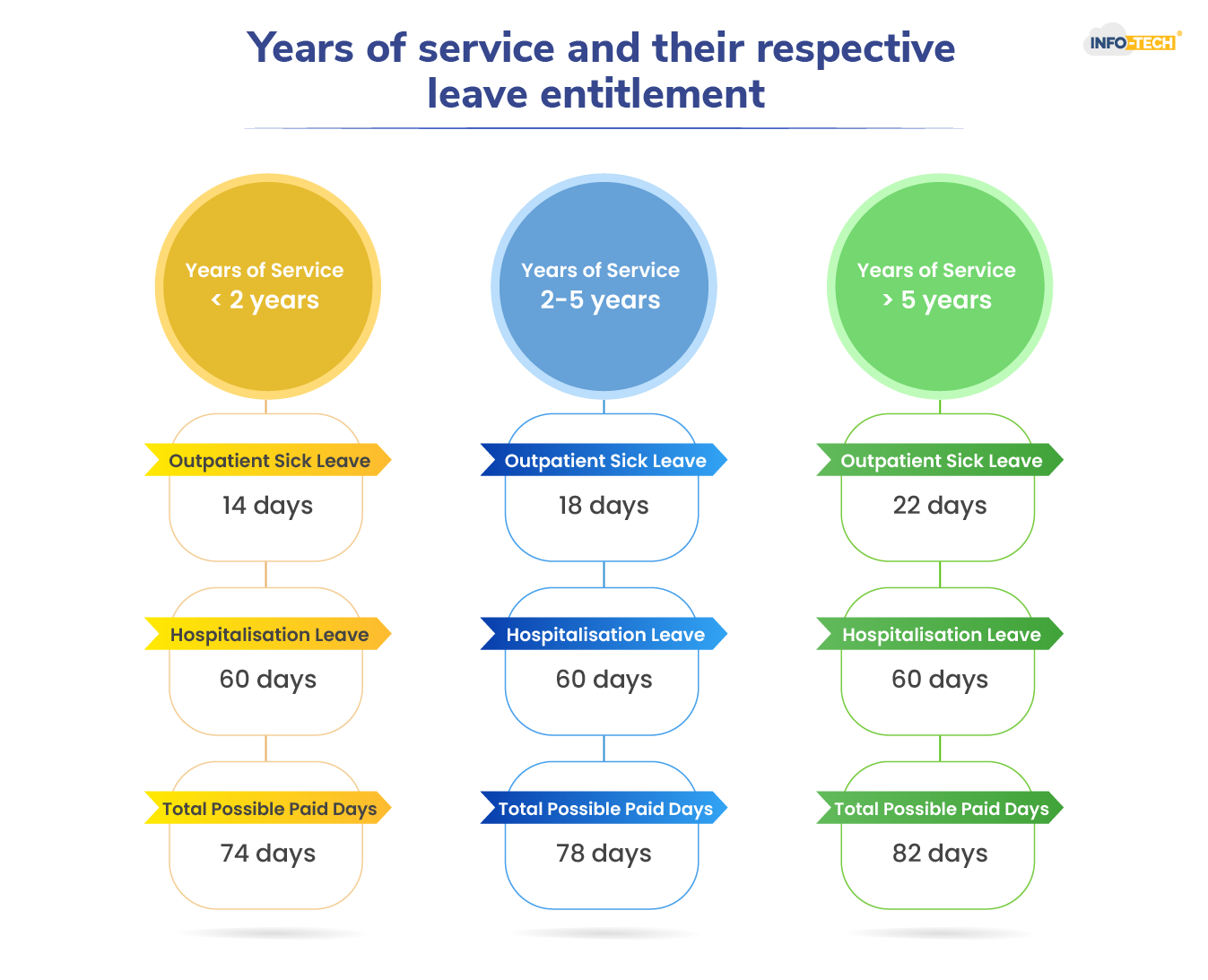
This leave can be utilized up to 60 days per calendar year, apart from the sick leaves. After the amendment of the 1955 Employment Act in 2022, this leave is no longer inclusive of sick leave, thereby broadening the days of total possible paid medical leaves. It is also applicable to all employees regardless of their pay, except for domestic servants.
Why Hospitalization Leave Matters?
Both employers and employees benefit from this leave in different ways.
1.Financial Support During Recovery- Hospitalization of an employee will disable their ability to work. Paid leave during those tough times will reduce their financial stress and ensure that they receive their income even during the recovery period.
2.Job Security- Legal protection to occupation is provided to employees so that they are not forced to resign due to their hospital admission or temporary illness.
3. Legal Compliance for Employers- Providing this leave to the qualifying employees ensures compliance with the Employment Act 1955, thereby erasing potential disputes and legal risks.
What Are The Steps to Apply For Hospitalization Leave?
Follow these steps to smoothly apply and get your leave approved:
Step -1: Informing the Employer
The first and the crucial step is to pass-on the information to the immediate superior or your HR department. It is mandatory to inform the absence, so that further steps for the approval of this leave can be carried over.
Step-2: Provide Necessary Documents:
Medical proof is required to confirm and verify your absence. A medical certificate (MC) and/or documents of hospital admission and discharge are essential to be produced to the employer.
Proof and Documents Needed
Proper medical documentation proofs are to be attached for availing this leave in Malaysia. Failure to submit these might lead to the leave being treated as unauthorised or unpaid.
- Medical Certificate (MC)
It must be issued by a registered medical practitioner. It should state the period of treatment and recovery time required, also mentioning the diagnosis and need for hospital treatment. This is the most important document required for approval.
- Hospital Admission Slip
Proof of admission to the hospital (if admitted), displaying the date, time, and the hospital details is also a supporting document.
- Discharge Summary
Discharge slip when compared with the admission slip will provide the number of actual days of hospitalization. This may also include the recommended days required for recovery.
- Company Leave Application Form
If the employer’s policy demands, if it is required to fill in an internal HR form or submit it online.
How Much is Pay During Hospitalization Leave?
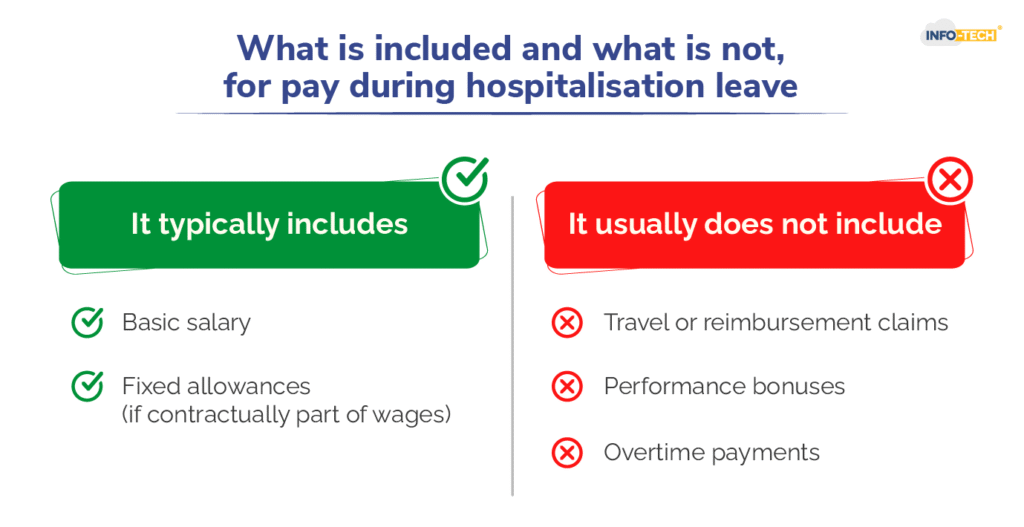
Legally, employers must pay the employee during this leave as per their ordinary rate of pay. This means that the employee should receive the normal daily pay, as mentioned in the employment contract. This will typically include:
- Basic Salary
- Fixed allowance (if contract states this as a part of allowance)
For employers, paid hospitalization leave also needs to be reflected correctly in payroll and financial records. When payroll records are integrated with accounting software, salary and leave-related payroll expenses can flow into the accounts without having to enter the same information separately.
Wrapping up
Understanding the regulations of hospitalization leave helps the employees as well as the employers to understand the rights, responsibilities, and required documents. For employees, this leave gives financial support and peace during serious health issues.
For employers, managing unplanned leaves such as these can lead to legal risk, payroll errors, or administrative disputes.
This is where HR software can come in handy. It can digitally store MCs and other related documents, automate payroll calculations, and comply with updated Employment Act requirements. Strong HR rules combined with a dependable HRMS solution guarantee that leaves are handled equitably, legally, and smoothly in today’s digital workplace, benefiting the company and its employees.