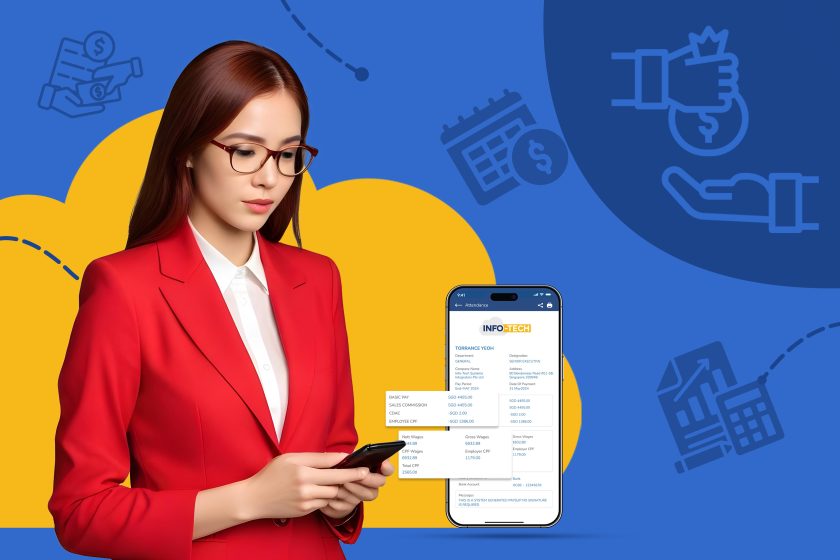
What Is A Payroll App & Why Do Malaysian Businesses Need One?
A payroll app is a mobile tool that has an impact on salary calculations, EPF/SOCSO/EIS/PCB deductions, payslip creation, and statutory submissions by automating them. Malaysian businesses need it to boost accuracy, cut down on manual work, stay compliant, and get payroll access at any time and place.
Payday looks quite different based on how a business handles payroll. Some companies finish it without a hitch, while others rush through spreadsheets last-minute changes, and urgent salary questions. Mistakes become a headache, employees worry, and the threat of compliance fines looms over every wrong calculation.
In Malaysia’s fast-changing digital world, payroll apps have become practical tools to ensure accuracy, transparency, and compliance—right from a phone. Instead of getting buried in paperwork, businesses now process payroll taking minutes instead of hours.
So what is a payroll app, and why has it become so important for Malaysian companies?
What Is a Payroll App?
A payroll app is the phone version of payroll software that allows HR teams, employers, and employees to handle payroll whenever and wherever they want. It turns the whole process into a digital one—from figuring out salaries to sending in required deductions—so your methods stay correct, run on their own, and follow the rules.
Unlike older computer programs, a payroll app is:
- Cloud-based providing quick access to data
- Mobile-friendly enabling payroll tasks while moving
- Integrated, linking attendance, leave, claims, and statutory systems
put, a payroll app swaps manual files for automation cutting down human mistakes and making compliance simple.
If you’d like a closer look at payroll calculations check out: ➡ How is Payroll Calculated? Payroll Calculation Formula for Businesses.
Why Payroll Apps Are Getting Popular in Malaysia
Digital payroll isn’t a fancy extra—it’s a must-have. Several things push its adoption among SMEs that face challenges with compliance, accuracy, and manual work.
1. Automation Cuts Hours Each Month
Payroll teams often take days to calculate allowances, overtime, and deductions. A payroll app does these jobs in seconds cutting out repetitive work and lowering mistake rates.
Companies stuck with old methods will understand: 5 Common Problems You Find In Traditional Payroll Processes.
2. Legal Compliance Comes Built-In
Keeping up with changes in EPF, SOCSO, EIS, HRDF, and PCB rates can be too much to handle. Payroll apps update these rates on their own and use them , making sure every payslip follows LHDN and government rules.
3. Better Payroll Accuracy & Openness Build Trust
Employees can check calculations, get payslips, and see how the company figured out their pay. This openness clears up any mix-ups and makes sure everyone in the company gets treated .
Want to know more about how businesses handle bonuses? Check out our guide: ➡ Understanding Performance Bonuses and Prorated Bonuses.
4. Mobile Access Fits Modern Malaysian Workforce Trends
As jobs change—in healthcare, shops, cleaning, delivery, and work-from-home teams—being able to access payroll on phones becomes key. Whether staff clock in away from the office or HR looks over payroll at home, a payroll app helps with today’s mix of office and remote work.
Payroll App vs Traditional Payroll Software
Here’s a quick comparison side by side:
|
Feature / Process |
Traditional Payroll Software |
Payroll App |
|
Accessibility |
Desktop-dependent |
Mobile & cloud-based |
|
Updates |
Manual installation |
Auto statutory updates |
|
Data Accuracy |
Error-prone manual entry |
Automated calculations |
|
Employee Access |
Limited |
Self-service payslips & info |
|
Remote Use |
Difficult |
Anywhere, anytime |
|
Compliance Risk |
Higher |
Significantly reduced |
A payroll app changes the whole game in payroll management.
Are Payroll Apps Good for Small Companies? You bet.
Most small businesses in Malaysia don’t have big HR teams. A payroll app acts like an “HR helper in your phone” by:
- Making monthly payroll easier
- Cutting down on expensive mistakes
- Staying on top of legal requirements
- Giving owners more time for real work
Mobile Payroll Backs Malaysia’s Mixed Work Setup
As more employees do their jobs from home or in shifts at different places, companies need tools to make teamwork easier. Mobile payroll apps let you:
- Get alerts right away
- Okay time off quickly
- Sync attendance as it happens
- Talk to HR and staff more easily
This kind of connection is now a must—not just nice to have.
Info-Tech Payroll App: Made to Follow Malaysian Rules
Info-Tech helps over 20,000 businesses with an online payroll system that fits Malaysia’s legal requirements. The payroll app gives you:
- Process payroll in real time
- Provide digital pay stubs
- Submit EPF, SOCSO, EIS, PCB
- Integrate attendance (biometric, GPS, face scan)
- Support multiple locations & shifts
This is why we’re considered one of the Best Payroll Software in Malaysia—our features reliability in compliance, and local support stand out from the rest.
To Wrap Up
A payroll app helps Malaysian companies:
- Reduce payroll mistakes
- Make monthly processing quicker
- Stay compliant without much effort
- Make employees more confident through transparency
- Lessen HR’s workload a lot
If you still rely on spreadsheets, it’s time to upgrade. A Payroll Software gives your business accuracy, compliance, and the quickness you need to compete.
Contact Us and we’ll help you!!
Frequently Asked Questions:
What’s the main goal of a payroll app?
To automate pay calculations required deductions, and pay slip creation while offering mobile access for HR and employees.
Do payroll apps help meet Malaysian compliance rules?
Yes. Good payroll apps apply EPF, SOCSO, EIS, and PCB rates on their own and create reports that follow the rules.
Does a payroll app work well for SMEs?
Yes. SMEs gain the most because the app cuts down work, boosts accuracy, and stops costly payroll errors.
Can employees use the payroll app too?
Yes, they can access the employee self-service portal. This lets them see their payslips change their information, or keep tabs on their time off.
How does a payroll app reduce payroll errors?
It does this by making calculations automatic linking up attendance info, and using built-in rules to follow regulations. These features help to avoid mistakes that can happen with manual work.