How Do HR Apps Help Manage Your Workforce in Malaysia?
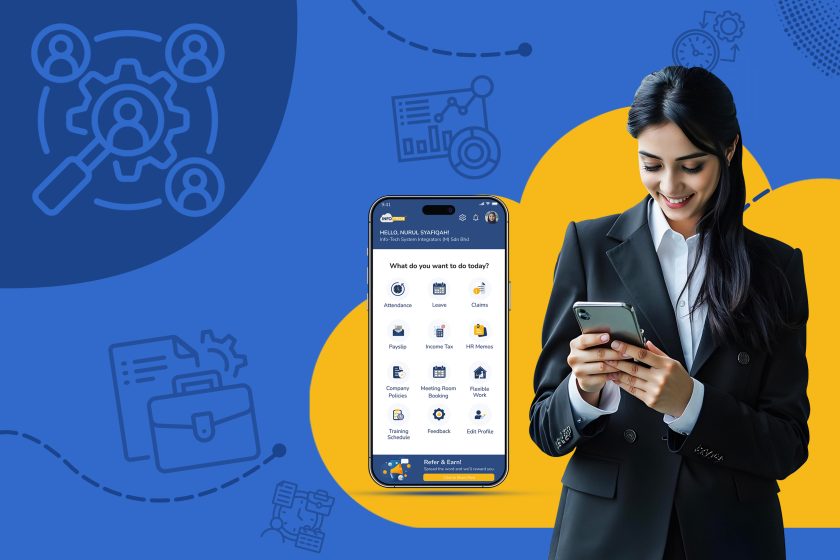
HR apps aid Malaysian businesses by offering live attendance tracking automatic payroll rule-following (EPF, SOCSO, EIS, PCB), staff self-help tools easier remote/mixed work handling clearer data insights less paperwork, and more staff involvement. A busy Monday morning in a company that hasn’t yet started to use HR apps looks like this!!! The HR team is swamped—they’re in a rush to check who’s late, answer urgent time-off requests, and fix time logs that aren’t complete. Meanwhile, employees get more and more annoyed as they wait for simple answers. These hold-ups don’t happen because the team isn’t good at their job. They happen because the old systems just can’t keep up with what today’s workplace needs. Picture that same office with everything running on autopilot. Employee check-ins show up right away, time-off requests get the green light on your phone, pay stubs are there whenever you need them, and expense reports zip through online systems without a hitch. HR software doesn’t just make life easier for the HR team—it also makes things way better for everyone who works there. That’s why more companies in Malaysia smaller ones now see HR apps as must-have tools instead of them being add-ons.Why HR Apps Are Important in Malaysia’s Changing Work Scene?
Work culture in Malaysia has undergone swift changes. Mixed schedules digital files off-site work setups, and tight rule-following needs—from EPF and SOCSO to EIS and PCB—have caused HR tasks to become more intricate. Sticking to hand-done methods or separate spreadsheets is no longer workable. New-age HR tools bring some order to this mix-up. They help HR teams run things without a hitch, give employees clear info right away, and make sure companies follow local job rules. As firms grow, these tools serve as a base that backs both structure and adaptability.1. Up-to-Date Workforce Insights (Without Countless Spreadsheets)
HR teams often get frustrated when they don’t have up-to-date information. This can lead to managers making choices based on old data causing mix-ups or poor communication. HR apps fix this problem by showing current workforce details. These apps let HR see who’s working, who’s off, and who’s set to work upcoming shifts – whether staff are in the office, at home, or moving between sites. This proves helpful for companies running multiple locations or teams with odd work hours. HR apps put all the info on one screen, so there’s no need to check attendance records by hand or call supervisors.2. No Arguments Over Attendance Records
Sign-in errors top the list of workplace gripes. Paper-based check-ins often result in mistakes, while “buddy punching” can throw off payroll. HR software cuts down on these problems by offering tools like GPS check-ins, face scans, or linked body data. These tools don’t just boost accuracy—they create a sense of fairness. Employees feel confident their attendance gets logged correctly, and HR doesn’t have to spend time looking into missing records or fixing pay errors.3. Payroll That’s Faster and Follows the Rules
Malaysian payroll is tricky. HR teams need to factor in extras required deductions extra hours, expense claims, and various types of time off—all while staying correct and following government guidelines. HR software with built-in payroll features makes this job much easier. Attendance, allowances, and deductions have a direct impact on payroll. The system calculates PCB, EPF, SOCSO, and EIS contributions. It takes seconds to generate payslips instead of hours. This results in fewer mistakes quicker payments, and stress-free compliance.4. Helping Employees Help Themselves
Today’s employees want easy access and openness, not long waits for basic HR info. HR apps give them the power to handle many tasks on their own:- Asking for time off
- Turning in expense reports
- Looking at pay stubs
- Changing personal info
- Seeing how much vacation time or overtime they have left
5. Better Control of Remote & Hybrid Teams
Many Malaysian companies now use remote and hybrid work models. HR apps help teams stay in touch and organized despite physical separation. Staff can clock in, update tasks, and get approvals from anywhere. Employers don’t need to rely on long email chains or paper reports to keep track of employees outside the office. This flexibility matters a lot these days. Employees want to move around, and businesses need to coordinate across different locations.6. Streamlined, Eco-friendly HR Operations
HR paperwork wastes time, money, and storage. HR apps digitize everything from pay stubs and agreements to company rules and expense receipts. This makes information organized easy to find, and kept—much better than piles of papers or old filing cabinets. This helps meet green goals and keeps HR work tidy, organized, and ready for what’s next. We’ve talked about this trend in Digital Transformation in HR and Accounting: Trends in Malaysia.7. Integrating Systems to Cut Out Repeat Work
The top HR apps don’t work alone—they link up with accounting tools, ERP systems, CRM processes, and payroll programs. This means less double entry fewer mistakes, and more unified company work. For companies looking to grow, joining systems isn’t just an option—it’s a must.8. More Involvement and a Stronger Work Environment
Today’s HR apps offer more than just streamlined processes—they play a key role in building a workplace where people feel connected and appreciated. Tools for tracking performance giving recognition, conducting surveys, and gathering feedback all contribute to a healthier work environment. Simple touches like reminders for birthdays or work anniversaries can make staff members feel valued. To learn more about employee feedback tools, take a look at How to Handle Employee Feedback in Malaysia: The Role of Digital HR Solutions.9. Make HR Decisions Based on Data (Without Excel Headaches)
HR apps give leaders insights into trends such as absences, staff turnover, output, or hiring delays. This lets companies tackle issues sooner and base their choices on real information—not guesswork. For small and medium-sized businesses looking to grow in a sustainable way, this kind of visibility proves useful.10. Fits Companies of All Sizes: From Startups to Large Organizations
As companies grow from 10 to 1,000 employees, their HR apps grow too. Companies can start with the basics like tracking attendance and time off. Later, they can add tools to manage performance, bring in new hires, find job candidates, or train staff as they need them. This approach serves as a long-term solution that changes with the company.Why Info-Tech’s HR App Stands Out in Malaysia?
Info-Tech Malaysia creates HR apps just for Malaysian companies. These apps follow all the rules and are easy to use. Here’s what makes them great:- Access through the cloud
- GPS, face recognition, and biometric attendance
- EPF, SOCSO, EIS, and PCB payroll compliance
- Mobile approvals and notifications in real-time
- Support for multiple languages
- Full integration with HRMS software and accounting software modules
Conclusion
Managing staff shouldn’t feel like you’re weathering a daily storm. HR apps change messy processes into smooth predictable workflows by giving HR teams precision, quickness, and total oversight. Employees get the benefits of openness and ease, while leaders receive data to make smarter choices. In Malaysia’s tough business scene, HR apps aren’t just optional—they give companies an edge. Contact Us To Get Yours Today!Frequently Asked Questions:
How do companies use HR apps?
HR apps help manage attendance, leave, payroll, claims, employee records, and communication from mobile devices.
Do HR apps benefit SMEs in Malaysia?
Yes. HR apps assist SMEs to comply with EPF, SOCSO, EIS, and PCB while saving time and cutting down on mistakes.
How do HR apps help with hybrid and remote work?
They provide GPS attendance digital approvals mobile access to HR services, and instant communication.
Can HR apps work with payroll and accounting systems?
Today’s HR software (like Info-Tech’s) connects with payroll, accounting, ERP, and other business systems to cut down on repetitive tasks.
Do HR apps boost employee engagement?
Yes — by using recognition tools, feedback surveys, self-service portals, and clear communication.